The Threshold War: How Six Months of Stalemate Could Push Washington Toward the Unthinkable
Six months of conflict, shrinking U.S. munitions, Iranian escalation, and the prolonged closure of the Strait of Hormuz are increasing pressure on Washington. This analysis examines how a continuing stalemate could widen the range of military options under discussion, including the remote but consequential possibility of tactical nuclear use.

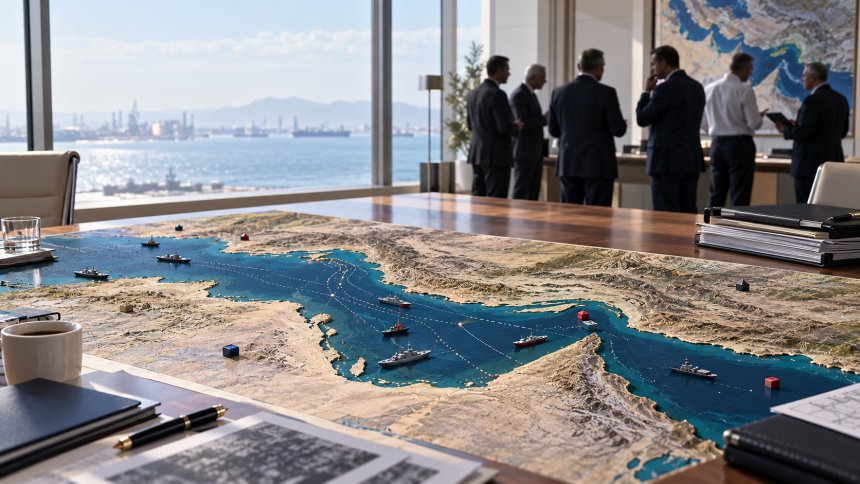
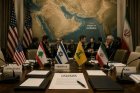
Six months into a war that was supposed to end in weeks, Washington is running low on two things militaries hate to run low on. Munitions and patience. President Trump told CBS this past week that the fight is "a relatively little war for us," then promised on Fox that "we're going to hit them hard." Both statements can be true at once, and that contradiction is exactly what should worry anyone tracking where this conflict goes next.
Nobody serious is predicting a nuclear strike on Iran tomorrow. But the fact that the phrase "tactical nuclear weapon" is now circulating in open commentary, rather than staying confined to classified planning documents, tells you something about how the war has aged. Wars that drag past their expected shelf life start generating pressure for options that were unthinkable at the outset. It happened with airpower escalation in Vietnam. It happened with chemical weapons debates in the Iran-Iraq War. The pattern is not nuclear use itself, it's the widening of what gets discussed once a conflict refuses to resolve.
What Would Actually Move Washington That Direction
Three converging pressures matter here, and none of them individually gets the United States to a nuclear threshold, but together they change the conversation.
The first is munitions math. US intelligence assessments reported by the New York Times and picked up regionally by the Jerusalem Post and i24NEWS describe an Iranian leadership that has "grown more confident" and believes Washington "will not be able to sustain major new strikes due to dwindling munition stockpiles." Whether or not that assessment is right, Tehran acting on that belief is itself dangerous. A regime convinced the other side is running out of conventional ammunition has less reason to de-escalate.
The second is the IRGC's internal politics. ISW-CTP's read is that the hardline faction "controlling decision-making" inside Iran is "dissatisfied with the current status of the war" and is "intent on trying to change the trajectory of the conflict through the use of military force." That's a faction looking for a bigger card to play, not a smaller one. The September 3 strikes on Al Jaber Air Base in Kuwait, and Iran's own claim of hitting Al Minhad, are exactly the kind of widening that makes a ceiling feel less fixed than it did in March.
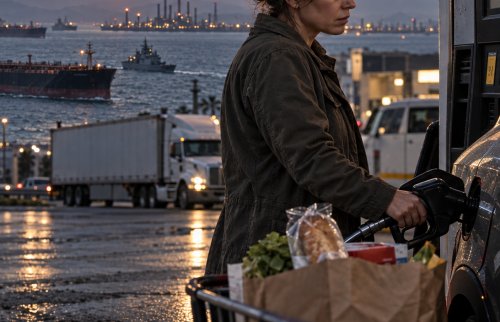
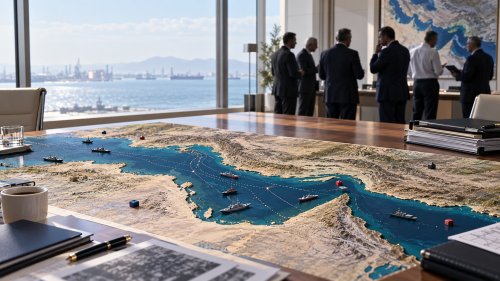
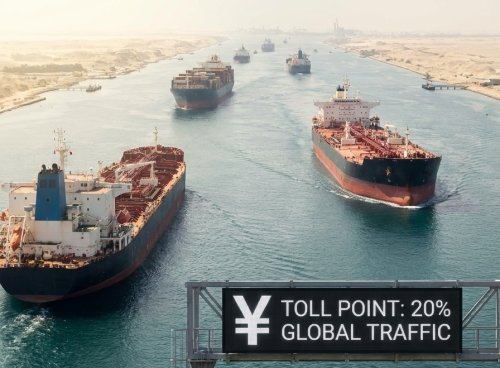
The third is the Strait of Hormuz itself, which Lloyd's List Intelligence assesses has now seen no Western-allied commercial transit since early May. An economic chokepoint held hostage for four months is not a stalemate, it's a slow-motion emergency for global energy markets, and emergencies compress decision timelines. If a move against a hardened target like the one Trump referenced this week, described in reporting as "Pickaxe Mountain," fails to produce the result conventional strikes are supposed to produce, the logic of "what's left in the toolbox" becomes harder to avoid in internal debate. That doesn't mean the tool gets used. It means the conversation about it stops being hypothetical inside the Situation Room.
To be clear about the evidentiary ground here, there is no public indication that tactical nuclear use is under active planning. What exists is a set of conditions, a long unresolved war, a confident and possibly overconfident adversary, a global shipping chokepoint under siege, and a domestic political clock with midterms two months out, that historically are the exact conditions under which escalation ladders get climbed faster than leaders intend.
What Happens the Day After
If it happened, the immediate military effect would likely be narrower than the political effect. A single low-yield strike on a hardened, deeply buried facility would not end Iran's capacity to fight an asymmetric war through the Axis of Resistance, Hezbollah, the Houthis, and Iraqi militias would still be able to operate. What it would end is the seventy-nine year global taboo on nuclear use in war, a taboo that has held since Nagasaki through Korea, Vietnam, the Falklands, and every India-Pakistan crisis since 1998.
That taboo breaking is the actual story, not the tactical battlefield effect. The reaction would split along predictable but consequential lines. China and Russia would use it as the organizing narrative for a new coalition at the UN Security Council, almost certainly with more traction than their usual complaints about US unilateralism. Gulf partners like Qatar, who have already gone on record insisting they are "not party to the conflict" while documenting Iranian strikes on their own territory to the Security Council, would face an impossible position, hosting American forces while regional publics react to a nuclear strike next door. NATO cohesion, already tested by Spain's earlier refusal to grant basing access, would likely fracture further rather than close ranks.
And the nonproliferation regime, already strained, would take the hit that arms control veterans have warned about for decades. Every state weighing whether to build or buy a nuclear deterrent would draw the same lesson. Iran's problem wasn't that it had nuclear ambitions, it's that it didn't finish the program in time to make itself un-strikeable. That is not a lesson Washington wants North Korea, or a dozen quieter proliferation candidates, to absorb.
The honest analytical position is this. The war has entered a phase where the pressures pushing toward escalation are real and documented, but the step from pressure to decision remains large, and no available evidence puts tactical nuclear use inside current US planning. The value of naming the scenario now isn't prediction. It's making sure the guardrails against it get reinforced before the pressure, not after.