Inside the 14 Points: What the US-Iran Memorandum Actually Commits Both Sides To
A point-by-point examination of the 14-point U.S.-Iran Memorandum of Understanding, revealing how the agreement addresses ceasefire implementation, sanctions relief, military withdrawals, and Strait of Hormuz security while postponing key disputes over Iran's nuclear program and regional influence. The analysis explores what the deal actually commits both sides to and what remains unresolved.

What the U.S.-Iran Memorandum Really Means
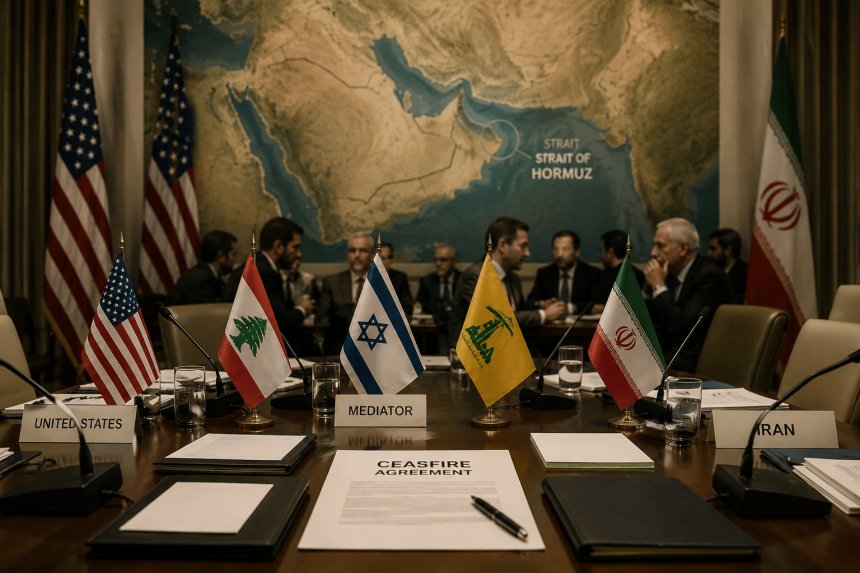
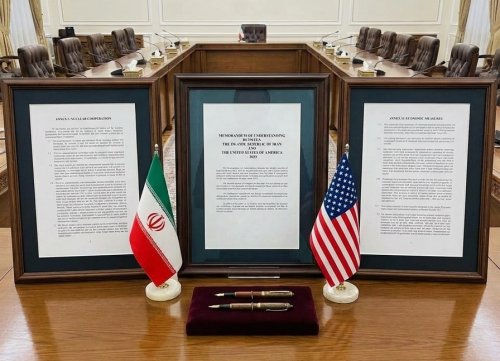
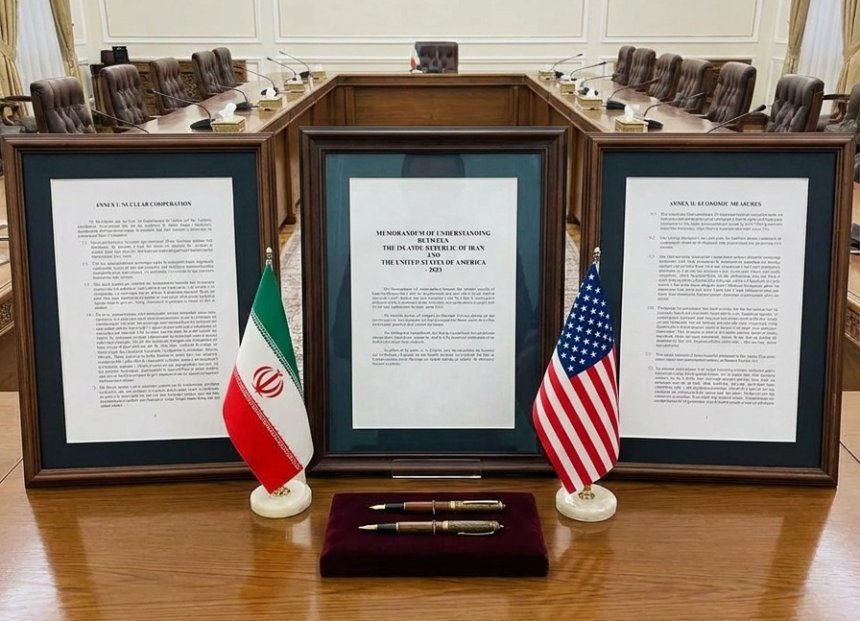
There's a useful test for any ceasefire document: read past the headline paragraph and ask which side had to give up something it can't easily take back. Apply that test to the Islamabad Memorandum of Understanding between the United States and Iran, signed this week and read aloud to reporters by senior US officials, and the document starts to look considerably more interesting than the celebratory framing around it suggests. It is not a peace treaty. It is, by its own design, a sixty-day bridge to one and a close read of all fourteen points shows a document that resolves remarkably little while committing both sides to remarkably specific, time-bound actions in the meantime.
Here is what the text actually says, point by point, and what each provision really commits its signatories to.
What the document actually does, point by point
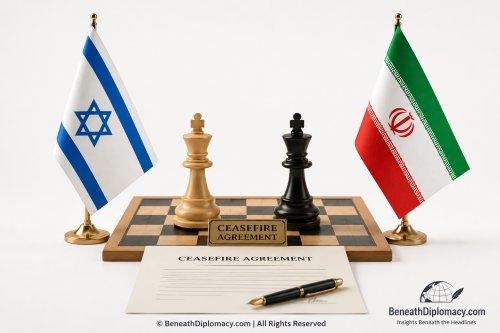
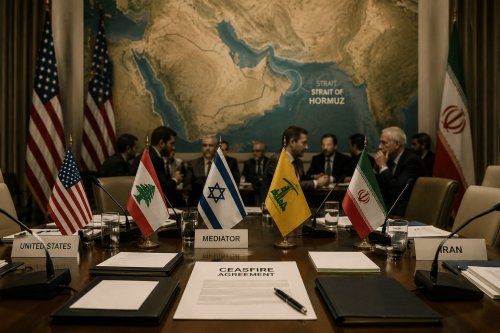
Points 1-2: An indefinite ceasefire, not a peace treaty. The opening paragraphs declare an "immediate and permanent termination of military operations on all fronts, including in Lebanon," with both sides pledging not to use force against each other going forward. That's the headline. But "permanent termination of military operations" is doing a lot of work for a document whose own paragraph 3 immediately sets a 60-day countdown to a "final deal" language that implicitly concedes the ceasefire's permanence is provisional on negotiations succeeding.
Point 3: A countdown clock with an exit ramp. Sixty days, extendable only by mutual consent, to negotiate everything the MOU itself defers. Trump's own comment at the G7 "if it doesn't get done in 60 days, that's all right, we go back to bombing" confirms what the text implies: the ceasefire's permanence is conditional, not absolute, despite the word "permanent" appearing twice in the first paragraph.
Point 4: A phased American military withdrawal. The US commits to beginning removal of its naval blockade immediately, fully ending it within 30 days, and removing forces "from the proximity" of Iran within 30 days after the final deal not the MOU, the final deal. That's a meaningful distinction: the blockade lifts on a fixed near-term schedule, but the broader US military drawdown is pegged to successful conclusion of negotiations that haven't happened yet.
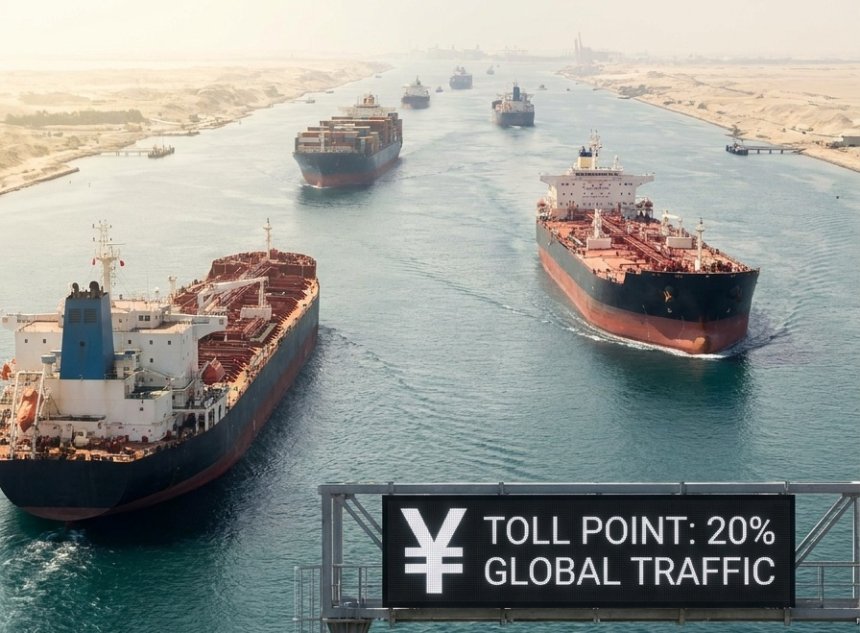
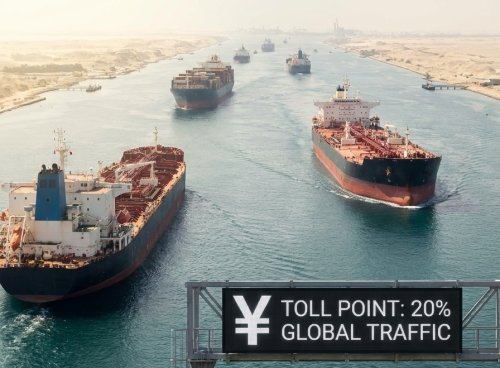
Point 5: Iran controls the reopening of Hormuz, and gets to shape its future governance. Iran agrees to "best efforts" for safe passage of commercial vessels, free of charge, but only for 60 days. Buried in this point is something with consequences well beyond the ceasefire: Iran is tasked with conducting "dialogue with the Sultanate of Oman to define the future administration and maritime services in the Strait of Hormuz" alongside other Gulf states. That's Iran being handed a formal role in shaping the long-term governance of the world's most important energy chokepoint not a temporary security arrangement, but an institutional one.
Point 6: A $300 billion reconstruction commitment, mechanism still undefined. The US commits, with regional partners, to "a definitive mutually agreed plan with at least USD $300 billion" for Iran's reconstruction, with the actual implementation mechanism left to the 60-day talks. The number is fixed. Almost nothing else about how it gets delivered is.
Points 7, 9, 10, 11: Sanctions relief that starts now and scales later. This is where the MOU's structure becomes clearest. Point 9 freezes the status quo Iran holds its nuclear program where it is, the US adds no new sanctions and no new regional forces. But points 10 and 11 go further than a freeze: the US Treasury will immediately begin issuing waivers for Iranian oil and petrochemical exports, and commits to making frozen Iranian funds "fully usable" once the MOU is implemented, with full sanctions termination including UN and IAEA measures scheduled as part of the final deal. In other words, meaningful financial relief begins on signature, well before any of the nuclear questions are actually resolved.
Point 8: The nuclear core is deferred, not decided. This is the paragraph worth reading most carefully, because it's the one most often summarized inaccurately. Iran "reaffirms" it won't pursue nuclear weapons a restatement of an existing position, not a new concession. The disposition of Iran's enriched uranium stockpile gets a "minimum methodology" of on-site down-blending under IAEA supervision, but the deeper question what happens to Iran's enrichment capability itself is explicitly left to be "discussed" based on a "satisfactory framework being agreed upon in the final deal." That's not a resolution. That's an agreement to keep negotiating the single issue that's blocked every prior US-Iran nuclear negotiation for two decades.
Points 12-14: Monitoring, sequencing, and a UN seal. An "executive mechanism" will monitor compliance. Final-deal negotiations only proceed once implementation begins on the ceasefire, blockade removal, oil waivers, and asset release meaning Iran's compliance gates are tied to deliverable actions, not promises. And the eventual final deal is meant to be endorsed by a binding UN Security Council resolution, which would lock in whatever gets negotiated with the weight of international law, for better or worse depending on what that final text says.
What this reveals: a structure built on deferral, not resolution
Step back from the individual points and a pattern emerges that's more useful than any single provision: the MOU resolves logistics and defers substance. Reopening shipping lanes, lifting a naval blockade, releasing frozen funds, beginning oil exports these are concrete, scheduled, and largely irreversible once underway. Iran's enrichment capability, its missile program, the actual sanctions-termination mechanism, and Lebanon's underlying security arrangement remain entirely unresolved, parked in a 60-day window that depends on a level of US-Iran trust that produced exactly zero successful nuclear agreements in the twenty years before this war started.
That's not necessarily a flaw bridging documents are supposed to defer the hardest questions, that's what makes them signable in the first place. But it does mean nearly every confident claim currently being made in the press about what this deal "achieves" on the nuclear file, on Iran's regional behavior, or on the durability of peace is, strictly speaking, premature. The document itself says so, in its own language, fourteen times.