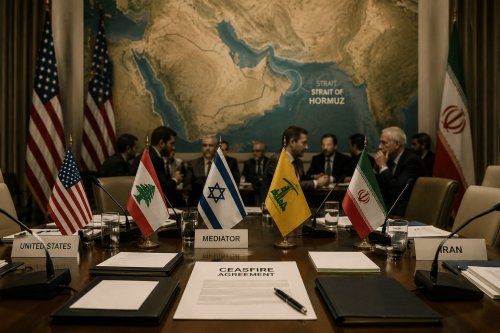
Could the Israel-Hezbollah Ceasefire Open the Door to U.S.-Iran Peace Talks?
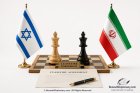
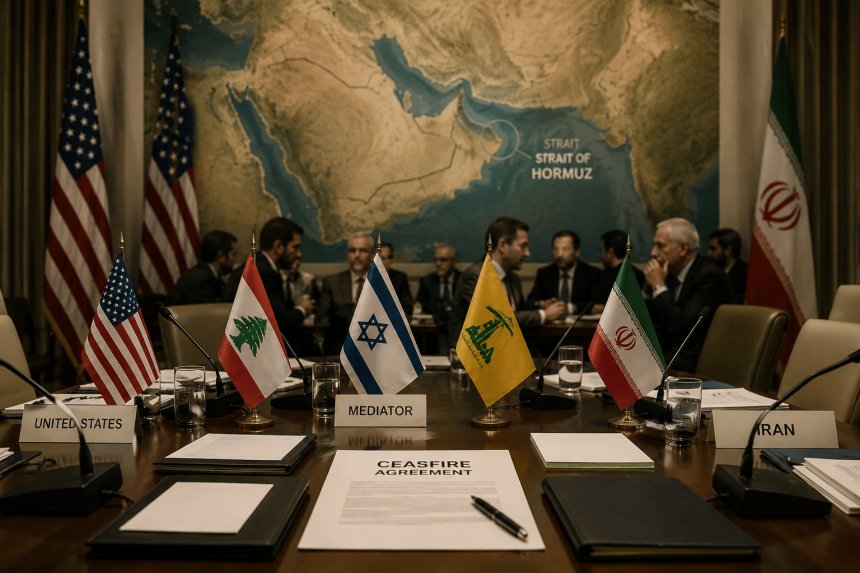
The U.S.-brokered ceasefire between Hezbollah and Israel has created a rare diplomatic opening that could support broader negotiations between Washington and Tehran. While the truce reduces regional tensions and demonstrates that de-escalation remains possible, significant obstacles remain. Iran's nuclear program, sanctions relief, regional security concerns, and Israeli military actions continue to complicate progress. The ceasefire may provide valuable breathing room for diplomacy, but its success depends on sustained political commitment from all parties and the ability to prevent renewed escalation.

The short answer: Yes, but only partially, and the window is both real and fragile.
Here's the honest picture. We are living through one of the most volatile and consequential diplomatic junctures in the Middle East in decades. What's happening right now isn't just a ceasefire it’s a stress test of whether transactional dealmaking can translate into structural peace.
What the ceasefire actually achieved
The 2026 Israel–Lebanon ceasefire, which took effect in April, was brokered by the United States and established an initial 10-day truce later extended multiple times, including a 45-day extension in May aimed at halting active fighting and creating conditions for longer-term negotiations. Most recently, after Trump announced he had spoken with Hezbollah leadership through intermediaries, the group agreed to a US proposal for a ceasefire covering all Lebanese territories, with both sides committing to stop attacking each other. WikipediaCNN
That's not nothing. Getting Hezbollah an Iranian proxy to sit still even temporarily is a diplomatic lever that matters enormously for what comes next with Tehran.
The Iran talks: promising, but walking a tightrope
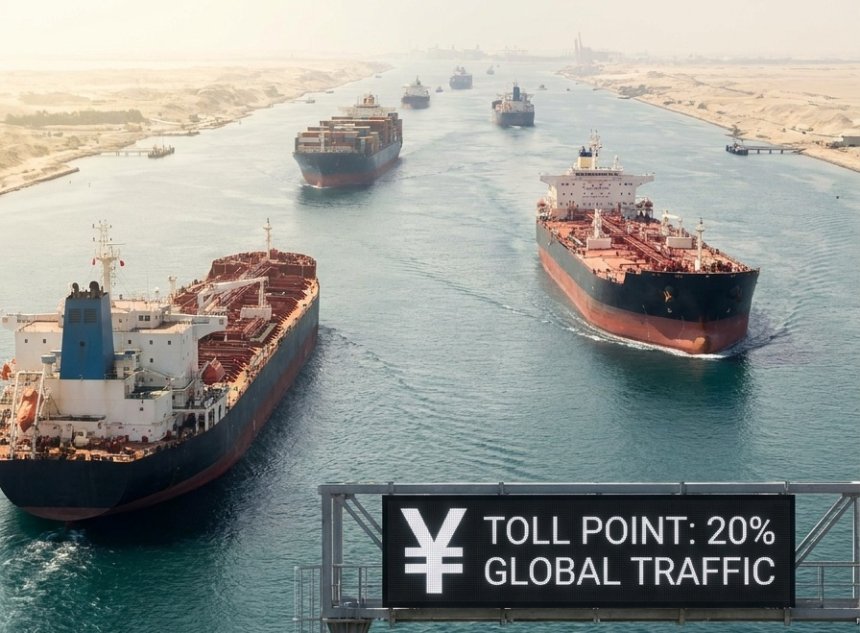
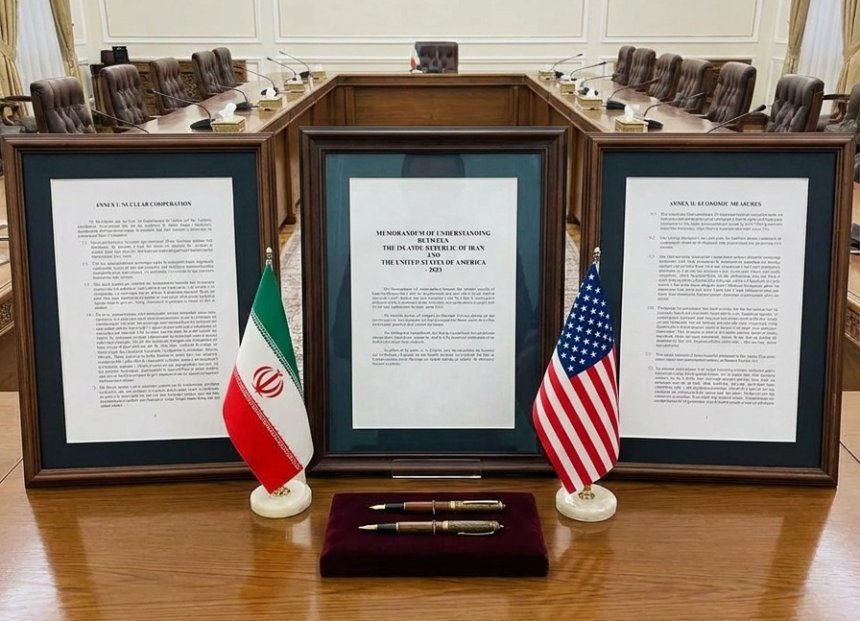
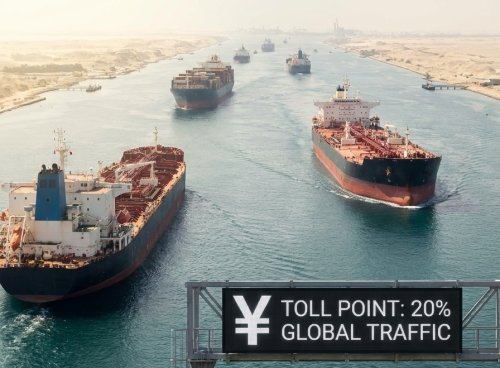
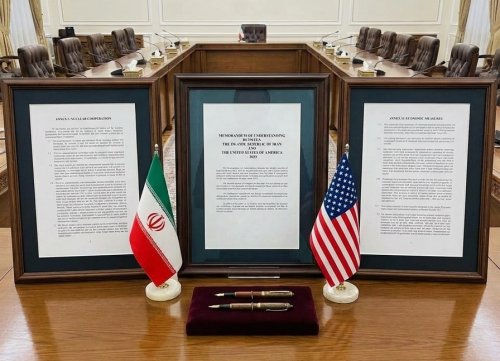
The broader picture with Iran is where things get genuinely consequential. The ongoing US-Iran talks, mediated by Pakistan, cover some of the hardest issues imaginable: freedom of navigation through the Strait of Hormuz, Iran's nuclear and ballistic missile program, reconstruction, sanctions relief, and the framework for a long-term peace agreement. House of Commons Library
A regional source with knowledge of the negotiations told CNN that any deal is expected to unfold in two phases the first focused on reopening the Strait of Hormuz, and the second, spanning 30 to 60 days, addressing nuclear issues and other core disputes. That's actually a smart sequencing. You build trust incrementally rather than trying to solve everything at once. CNN
But here's the problem: following Israeli attacks on Beirut, Iran suspended nuclear talks indefinitely, causing a sharp decline in market optimism for a near-term deal. Iran read Israeli actions in Lebanon as a direct provocation and used it as justification to walk away from the table. Polymarket
Trump is trying to broker two things simultaneously a Lebanon ceasefire and an Iran nuclear deal but the two tracks keep colliding with each other.
The deeper structural problem
Iran's negotiators have said "considerable progress" has been made on the draft text, but declined to give any timeline. Meanwhile, Iran's supreme leader declared that US military bases in the Middle East were no longer safe, signaling a hardening stance even as diplomacy was continuing. CNN
That contradiction talking peace while threatening war isn't unusual. It's classic Iranian negotiating behavior: keep pressure on to extract maximum concessions while keeping the diplomatic door cracked open. The question is whether Washington has the patience and strategic coherence to play that long game.
Iran has resisted demands to ship its enriched uranium abroad, and state-linked media has insisted that any framework to end the war postpones nuclear negotiations until after hostilities end not concurrent with them. This is a significant sticking point, because the US wants verifiable denuclearization commitments now, not promises for later. CNN
So can the Hezbollah ceasefire pave the way?
Yes but only if it holds. Here's the geopolitical logic:
The ceasefire also hands Trump a political win he desperately wants to leverage. Qatar worked alongside the US in brokering the recent arrangement, meaning regional Arab actors are quietly invested in this working. That's coalition-building, even if informal. The Times of Israel
The honest risk
The biggest threat to this diplomatic momentum isn't Iran. It's the administration of Israel. Netanyahu has shown over and over that he operates on his own timeline with his own rules. Even after Trump announced the ceasefire, Netanyahu announce that the Israeli military would continue to operate as planned in southern Lebanon, and Defense Minister Katz denied there was a ceasefire at all. That kind of public contradiction from a nominal ally is destabilizing and Iran watches every one of those moves as a signal about whether America can actually deliver. CNN
Bottom line
The ceasefire is a necessary but insufficient condition for meaningful Iran dialogue. It reduces the noise, creates breathing room, and removes one active flashpoint from the board. But for the Iran talks to become truly substantive, three things need to happen: Israel needs to stop undercutting US diplomatic signaling, Iran needs to allow some nuclear transparency before hostilities formally end rather than after, and Trump who by his own admission finds the negotiating process "boring" needs to sustain focused diplomatic attention on something that doesn't resolve in a news cycle.
The window is real. So is the risk of it slamming shut. That's the honest assessment.